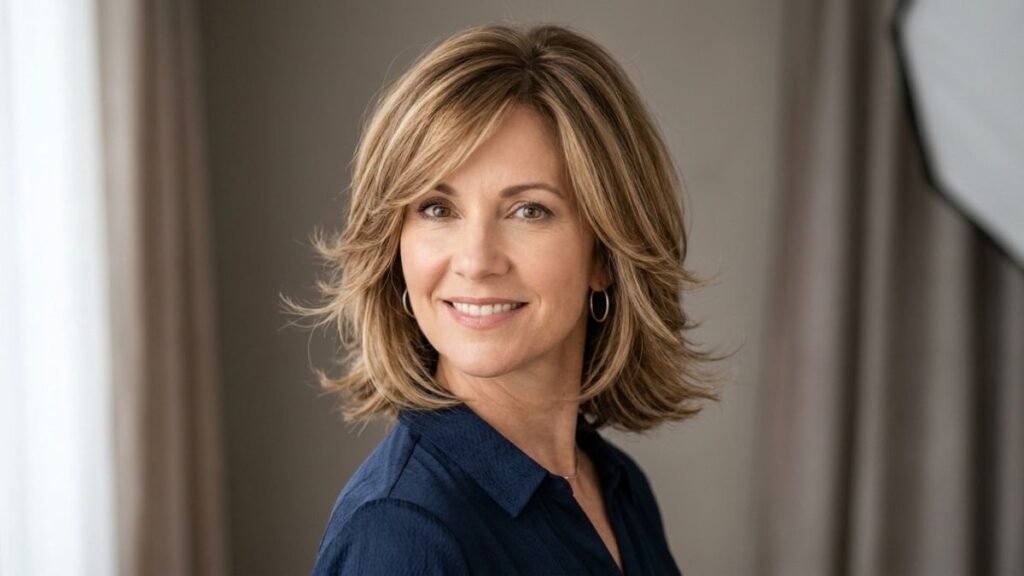
Fine hair can look flat, limp, or difficult to style, especially when it lacks natural body. A feathered haircut for fine hair can be a smart solution because soft, blended layers create movement and help the hair appear more lifted without requiring a complicated daily routine. However, the technique matters: too much layering or thinning can make fine ends look sparse. The goal is to create a flattering shape while preserving enough weight for the hair to look healthy and full.
Why Choose a Feathered Haircut for Fine Hair?
A feathered haircut is designed around soft, tapered layers that flow into one another instead of creating harsh or choppy lines. For fine hair, this can create the appearance of movement and dimension while keeping the overall hairstyle feminine and lightweight.
The biggest advantage is versatility. You can wear feathered layers on short, medium, or long hair, and the style can be customized around your face shape. In addition, feathering can make straight hair look more dynamic and can help naturally wavy hair show its texture.
However, fine hair needs a careful approach. Fine and thin are not exactly the same. Fine hair describes the diameter of individual strands, while thin hair generally refers to lower overall density. Therefore, someone can have fine hair that is actually quite dense. Understanding this difference helps determine how much layering is appropriate.
A well-planned cut should create movement without removing so much weight that the ends become transparent. Current hairstyle guidance also emphasizes controlled layering and preserving enough density around the perimeter when fullness is important.
How Feathered Layers Create the Appearance of Volume
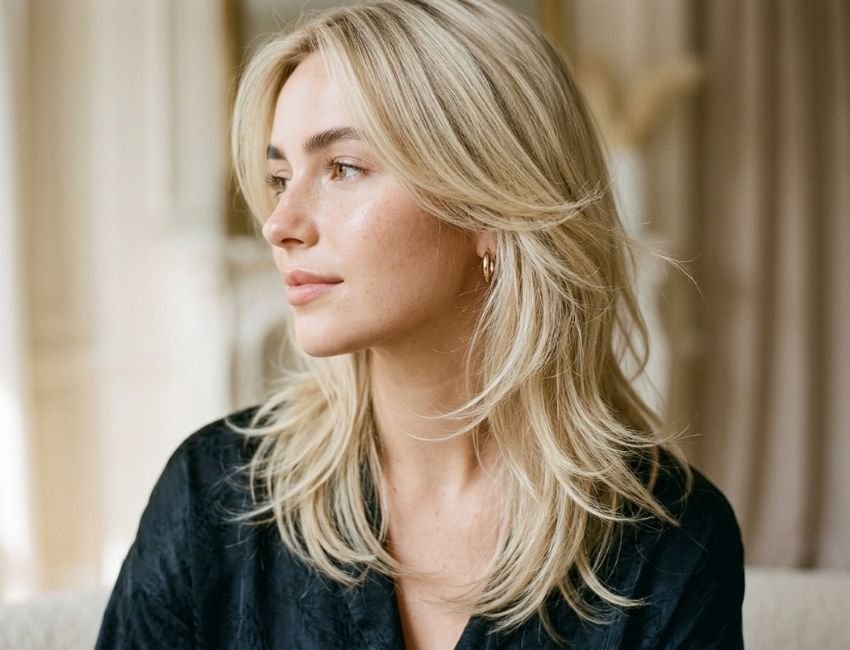
Fine hair often falls close to the head because lightweight strands do not always hold a shape for long. Consequently, a one-length haircut can sometimes look flat, while excessive layers can make the ends look even thinner.
A feathered haircut for fine hair takes a middle approach. Instead of creating dramatic, disconnected layers, the ends are softly tapered and blended. This gives the hair room to move while maintaining a smoother overall silhouette.
The effect is especially noticeable when the haircut is styled with a round brush. The feathered pieces can curve away from the face, creating a soft, airy finish. Additionally, carefully placed layers can help light reflect from different sections of the hair, giving the hairstyle more visual dimension.
It is important to remember that a haircut cannot physically increase the number of hairs on the scalp. Instead, the right shape can create the appearance of greater fullness by controlling movement, lift, and proportion.
Feathering vs. Heavy Layering: What’s Better for Fine Hair?
Not every layered haircut is suitable for fine strands. Heavy or very short layers may remove too much weight, particularly when they are placed high around the crown or throughout the ends.
In contrast, feathering is generally softer and more blended. The goal is not to remove as much hair as possible. Instead, it is to create a smooth transition between sections so the hairstyle moves naturally.
For that reason, ask your stylist to keep the layers controlled and blended. If your ends already look thin, discuss preserving fullness around the bottom before adding layers.
Best Feathered Styles to Try
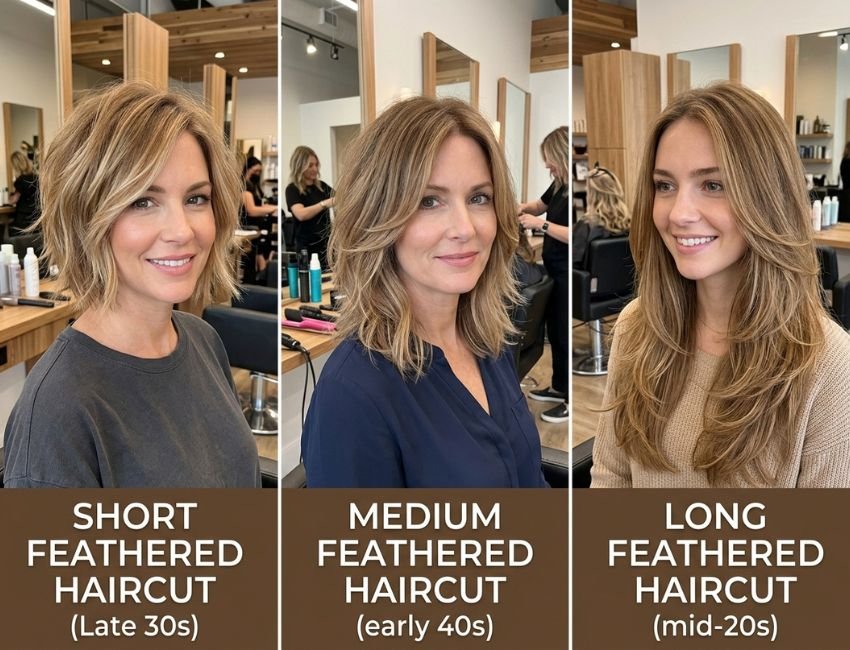
One of the best things about feathered hairstyles is that you do not have to choose a single length. The right version depends on your current haircut, styling habits, face shape, and how much volume you want.
Short Feathered Styles for Fine Hair

A short feathered haircut can be ideal if your fine hair becomes weighed down easily. A feathered bob or soft bixie can provide shape without requiring a lot of length.
A chin-length or slightly longer bob can look especially polished. Soft pieces around the face add movement, while keeping the lower perimeter relatively strong can prevent the ends from appearing too wispy.
For everyday styling, use a lightweight volumizing product at the roots and blow-dry with a small round brush. Then, gently curve the ends outward or inward depending on the look you prefer.
Medium Feathered Haircut for Fine Hair
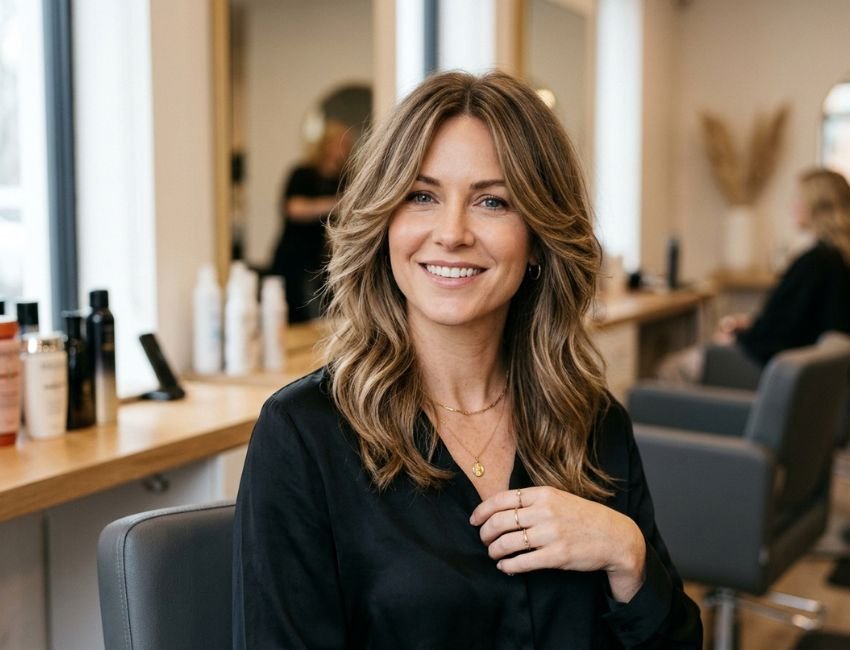
Medium-length hair offers a balance between volume and versatility. A shoulder-length feathered cut can make fine hair appear lighter and more dynamic without sacrificing too much length.
Face-framing layers can begin around the cheekbone, jawline, or chin depending on your features. Meanwhile, longer feathered pieces can blend into the rest of the haircut.
This option works particularly well for women who want to switch between straight, softly waved, and blow-dried styles.
Long Feathered Haircut for Fine Hair
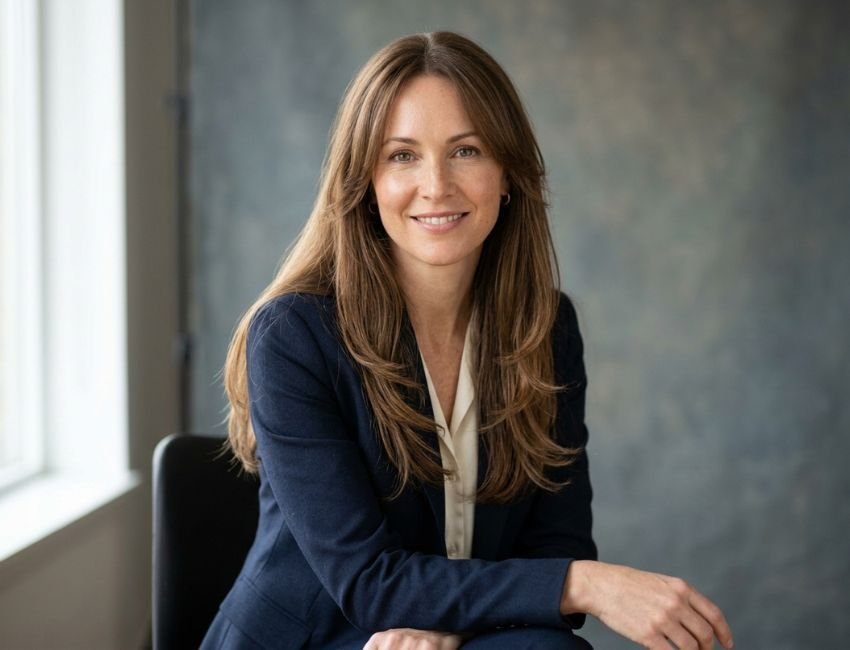
Long fine hair can sometimes look flat because its length adds weight. However, you do not necessarily need to cut it short to create movement.
A long feathered haircut can preserve the overall length while adding carefully placed layers through the mid-lengths and around the face. The key is moderation. If too much is removed from the ends, the bottom can look sparse.
Therefore, tell your stylist that you want movement while maintaining the appearance of fullness through the perimeter.
Feathered Bob for Fine Hair
A feathered bob combines the structure of a bob with the softness of feathered ends. It can be particularly flattering for women who want a modern haircut that looks polished but not overly stiff.
The shorter shape reduces the weight that can pull fine strands downward. At the same time, feathered pieces create movement around the face.
A slightly rounded bob can also give the hairstyle a fuller silhouette. For a modern finish, keep the layers blended rather than extremely choppy.
How to Choose a Feathered Haircut for Fine Hair Based on Face Shape
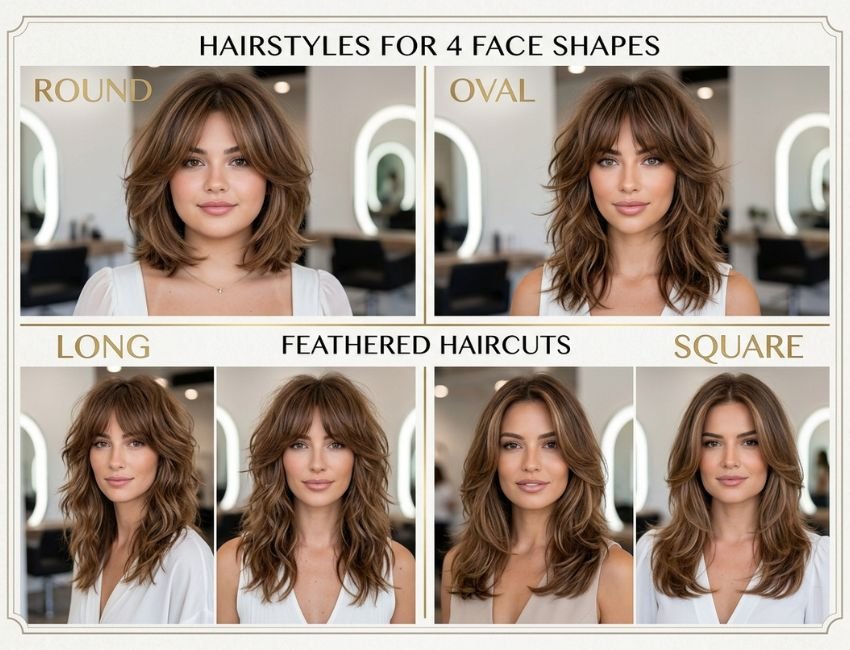
Your face shape can help determine where the feathered layers should begin and how they should frame your features.
Feathered Haircut for Fine Hair for Round Faces
If you have a round face, longer face-framing layers can create a more elongated visual effect. Instead of stopping the shortest pieces directly at the widest part of the cheeks, ask for layers that continue toward the jawline.
A little height at the crown can also help balance the proportions. However, avoid excessive volume directly at the sides if your goal is a slimmer-looking silhouette.
Feathered Haircut for Fine Hair for Oval Faces
Oval faces are naturally versatile, so many feathered shapes can work beautifully. You can experiment with shorter face-framing pieces, curtain bangs, shoulder-length layers, or a feathered bob.
Because the proportions are balanced, focus more on your hair density and styling preferences than following strict rules.
Feathered Haircut for Fine Hair for Long Faces
For a longer face shape, softer volume around the sides can help create balance. Medium-length feathered layers and curtain-style framing can work well because they add width without making the hairstyle look heavy.
Avoid creating excessive height at the crown if you already have a naturally elongated face.
Feathered Haircut for Fine Hair for Square Faces
Soft feathered layers can help soften the appearance of strong jawline angles. Face-framing pieces that curve gently around the cheeks and jaw can create a more flowing shape.
A side part or soft waves can add even more movement and prevent the haircut from looking too geometric.
How to Ask Your Stylist for a Feathered Haircut for Fine Hair
Knowing what to say at the salon can make a major difference. Instead of simply asking for “lots of layers,” explain the result you want.
You can say:
“I want a feathered haircut for fine hair with soft, blended layers. I want movement and volume, but I do not want my ends to look thin or wispy.”
Also show your stylist two or three reference pictures. Explain what you like about each image, such as the length, face framing, movement, or volume.
Most importantly, tell your stylist whether your hair is fine but dense or genuinely low-density. Your stylist should also consider your natural texture, previous chemical treatments, daily styling routine, and how your hair behaves without styling.
Should You Avoid Thinning Shears With a Feathered Haircut for Fine Hair?
This depends on your individual hair and the technique your stylist uses. However, if your main concern is that your ends already look sparse, ask why additional thinning is necessary before agreeing to it.
Fine hair often benefits from precision and restraint rather than aggressive weight removal. Professional cutting guidance similarly emphasizes that creating volume in fine hair is more about controlling shape and placement than simply removing large amounts of hair.
How to Style a Feathered Haircut for Fine Hair
The right styling routine can make your haircut look significantly fuller.
First, avoid applying heavy products close to the roots. Thick creams, oils, and overly rich conditioners can make fine strands collapse quickly.
Instead, start with a lightweight volumizing mousse or root-lifting product. Apply it primarily where you need lift.
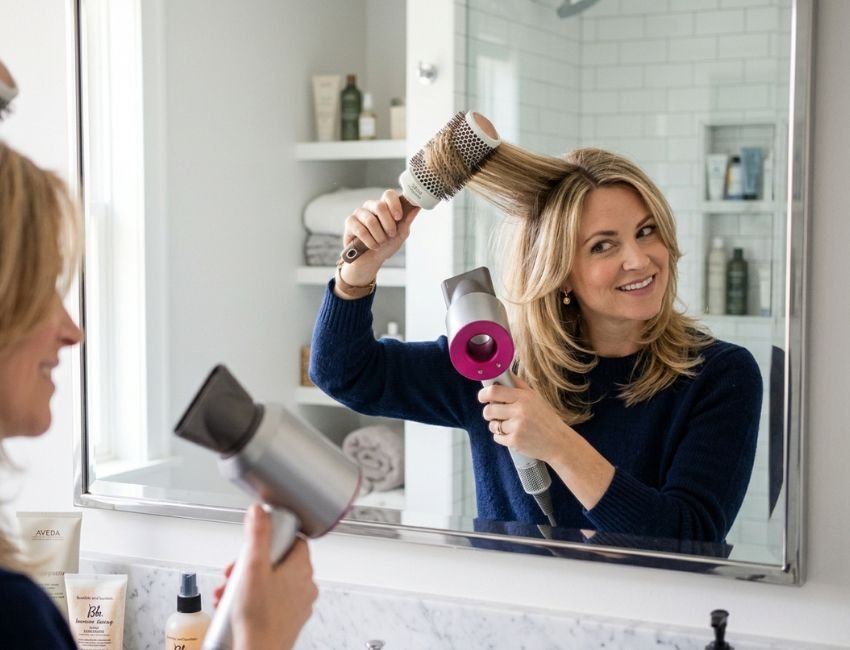
Next, blow-dry the roots while lifting them gently with your fingers or a round brush. Once the roots are dry, direct the airflow down the hair shaft and shape the feathered ends.
If you want extra movement, wrap small sections around a round brush and curve the ends away from your face. Do not overwork every strand because excessive heat and manipulation can make fine hair look dry and flat.
For an additional texture boost, a lightweight texture powder can add grip and lift without the heavy feel associated with some styling products.
Common Feathered Haircut Mistakes for Fine Hair to Avoid
Even a beautiful haircut can become difficult to manage if the wrong technique is used.
1. Adding too many layers: Excessive layers can make fine ends look sparse.
2. Starting layers too high: Very short layers around the crown can remove valuable weight and may expose more scalp in low-density hair.
3. Overusing thinning tools: Removing too much internal weight can work against the goal of creating fuller-looking hair.
4. Using heavy styling products: Fine strands can become greasy or flat when overloaded with product.
5. Ignoring your natural texture: A haircut that looks beautiful on straight hair may behave differently on waves or curls.
6. Copying a hairstyle without considering density: A reference photo may show someone with much greater hair density, so the same amount of layering may not produce the same result.
Therefore, use inspiration photos as a starting point rather than an exact template.
How to Maintain a Feathered Haircut for Fine Hair
Regular maintenance helps keep the feathered shape clean and intentional. As the layers grow out, the ends can lose their original direction and the hairstyle may become harder to style.
The exact trimming schedule depends on your haircut and how quickly your hair grows. Shorter feathered bobs generally need more frequent shaping than long layered styles.
Between appointments, focus on gentle hair care. Avoid excessive heat, use a heat protectant when using hot tools, and avoid brushing aggressively when the hair is wet.
If your ends become dry or damaged, ask your stylist whether a small trim would help restore the shape without sacrificing unnecessary length.
Is a Feathered Haircut for Fine Hair Low Maintenance?
It can be, especially when the haircut is designed around your natural texture. A softly feathered medium or long style may require only a quick blow-dry and a small amount of styling product.
However, the easiest haircut is not necessarily the one with the fewest layers. It is the one that works with your natural hair rather than forcing you to recreate a salon finish every morning.
If you prefer air-drying, tell your stylist. If you regularly use a round brush, mention that too. This information helps determine where the layers should sit and how much movement is practical for your routine.
Frequently Asked Questions
Is a feathered haircut for fine hair good for adding volume?
Yes, carefully placed feathered layers can create the appearance of more volume, movement, and dimension without relying entirely on heavy styling.
Can fine hair look thinner after feathering?
Yes, excessive feathering or aggressive thinning can make the ends appear sparse, so controlled layering is especially important for fine hair.
What length is best for a feathered haircut for fine hair?
Short to medium lengths are often easy to manage, but long hair can also work when the layers are strategically placed and enough fullness is preserved at the ends.
Can I have bangs with a feathered haircut for fine hair?
Yes, soft curtain bangs or blended side-swept bangs can complement feathered layers while creating additional face-framing movement.
How do I make my feathered haircut look fuller?
Use lightweight root-lifting products, blow-dry the roots with a round brush, and avoid heavy products that can weigh fine strands down.
Conclusion
A feathered haircut for fine hair can be a beautiful way to create softness, movement, and the appearance of fuller hair without sacrificing your personal style. The key is choosing controlled, blended layers that work with your natural density instead of removing too much weight. Whether you prefer a short feathered bob, a shoulder-length style, or long face-framing layers, the best result comes from matching the haircut to your texture, face shape, and daily routine. With the right cut and lightweight styling approach, fine hair can look polished, airy, and full of movement.