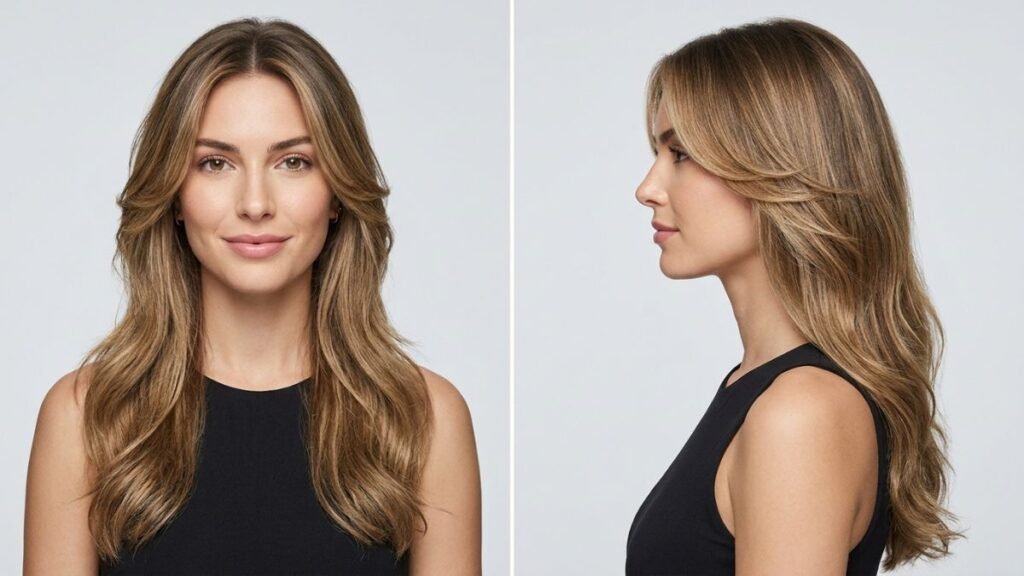
Long hair never goes out of style, but the right haircut can make it look even more flattering. One of the most popular choices today is face framing layers for long hair because they add softness, movement, and dimension without sacrificing length. Whether your hair is straight, wavy, or curly, these layers can enhance your natural features and create a fresh, modern appearance.
Unlike traditional layers that focus on the overall length, face-framing layers are designed to highlight your facial features. They can make your cheekbones appear more defined, soften a strong jawline, or create the illusion of a slimmer face. The best part is that this haircut works for women of all ages and suits a variety of hair textures.
If you’ve been thinking about updating your hairstyle without making a dramatic change, face-framing layers could be exactly what you need. In this guide, you’ll learn how they work, who they suit best, how to style them, and how to choose the perfect variation for your face shape and hair type.
What Are Face Framing Layers?
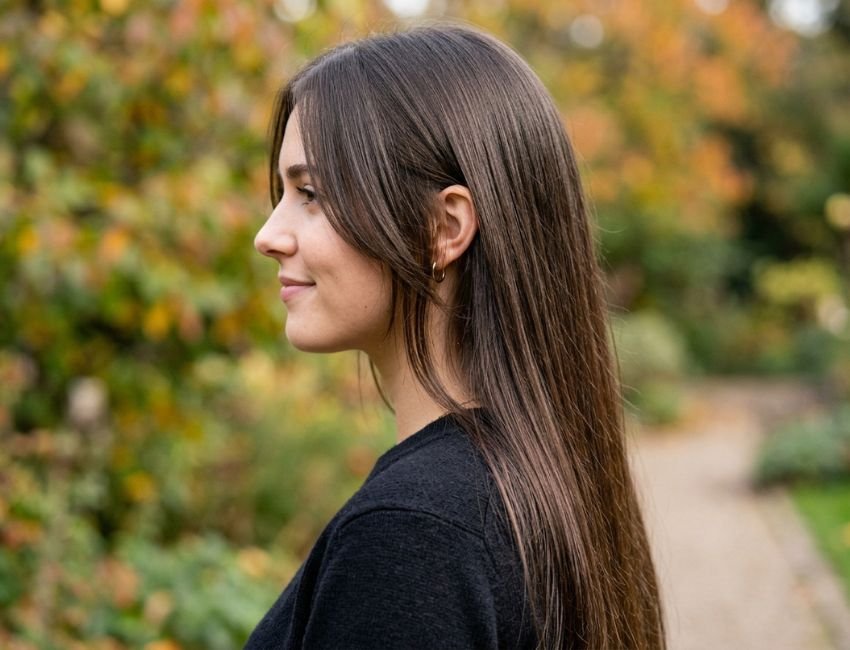
Face-framing layers are shorter sections of hair that begin around the front of your face and gradually blend into the rest of your long hair. Instead of creating volume throughout the entire haircut, these layers focus on drawing attention to your best facial features.
The length of the layers depends on your face shape, hair texture, and personal style. Some women prefer subtle layers that start below the chin, while others choose shorter pieces that begin around the cheekbones for a more noticeable effect.
These layers can be customized to create a soft, elegant look or a bold, trendy style, making them one of the most versatile haircut options for long hair.
Why Face Framing Layers Are So Popular
There is a reason this haircut continues to trend every year. It combines beauty with practicality.
Many women want to refresh their hairstyle without losing the length they’ve spent years growing. Face-framing layers achieve exactly that by adding movement and shape while keeping most of the hair long.
Another advantage is versatility. You can wear your hair straight, curled, in a ponytail, or in a messy bun, and the front layers still create a polished appearance.
Because the layers naturally soften facial features, they also photograph beautifully, making them a favorite among celebrities, influencers, and hairstylists.
Benefits of Face Framing Layers for Long Hair
This haircut offers more than just style. It also makes long hair easier to manage and customize.
Some of the biggest benefits include:
- Adds movement to long hair.
- Creates a softer facial appearance.
- Makes thick hair feel lighter.
- Gives fine hair the illusion of more volume.
- Frames the eyes and cheekbones beautifully.
- Works with straight, wavy, and curly hair.
- Requires less maintenance than a complete layered haircut.
- Looks flattering with both casual and formal hairstyles.
Many women also find that face-framing layers make their hair appear healthier because the added movement prevents long hair from looking heavy or flat.
Who Should Get Face Framing Layers?
One of the best things about this haircut is that it suits almost everyone.
You may love face-framing layers if you:
- Have long hair and want a fresh look without cutting it short.
- Feel your hair looks flat or lacks movement.
- Want to highlight your facial features.
- Enjoy styling your hair in different ways.
- Prefer hairstyles that grow out naturally.
Even women with naturally curly hair can benefit from carefully placed face-framing layers, as they help define curls around the face without removing too much volume.
Best Face Framing Layers for Different Face Shapes
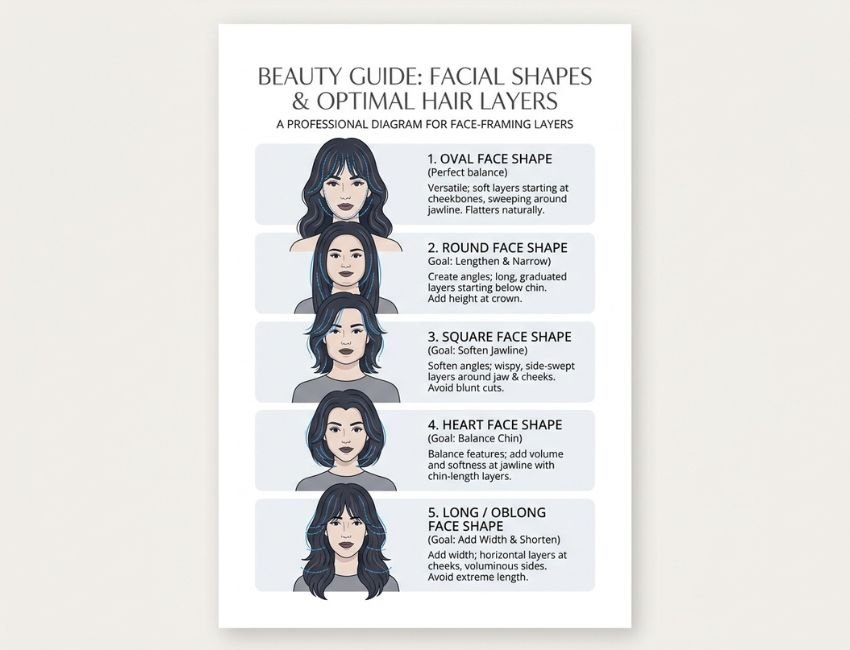
Choosing the right layer placement makes a noticeable difference. The ideal style depends on the shape of your face.
| Face Shape | Recommended Layer Placement | Result |
| Oval | Cheekbone to chin | Balanced and natural |
| Round | Below the chin | Creates a longer appearance |
| Square | Around the jawline with soft edges | Softens angular features |
| Heart | Chin-length layers | Balances a wider forehead |
| Long | Cheekbone-length layers | Adds width and balance |
Rather than copying someone else’s haircut, ask your stylist to customize the layers according to your facial proportions.
Choosing Layers Based on Hair Type

Hair texture plays an important role in determining how face-framing layers will look.
Thick Hair
Women with thick hair often benefit from longer face-framing layers because they remove excess weight while keeping the hair full and healthy-looking.
Long, blended layers prevent the hairstyle from appearing bulky and allow the hair to move naturally.
Fine Hair
Fine hair requires a softer approach.
Too many short layers can make the ends look thinner, so gentle face-framing pieces are usually the better choice.
Light layering near the front adds dimension without reducing overall density.
Wavy Hair
Natural waves pair beautifully with face-framing layers.
The movement created by the waves makes the layers blend effortlessly, giving the hairstyle a relaxed and beachy finish.
Curly Hair
Curly hair needs carefully planned layers.
When cut correctly, face-framing layers define curls around the face while maintaining volume throughout the rest of the hair.
Face Framing Layers with Curtain Bangs

Curtain bangs and face-framing layers are one of today’s most requested hairstyle combinations.
Curtain bangs gently part in the middle and blend into the front layers, creating a soft transition that flatters many face shapes.
This style works especially well if you want:
- More volume around the face.
- A youthful appearance.
- A trendy yet timeless haircut.
- Easy styling with minimal effort.
Loose waves make this combination even more eye-catching because they highlight the gradual flow from the bangs into the longer layers.
Face Framing Layers Without Bangs
Not everyone wants bangs, and that’s perfectly fine.
Face-framing layers can look equally beautiful without them.
In this version, the shortest pieces usually begin around the chin or just below the cheekbones, creating a soft outline around the face while keeping the forehead open.
This option is ideal for women who:
- Prefer low-maintenance hairstyles.
- Regularly wear ponytails or buns.
- Want versatility without committing to bangs.
- Like clean, elegant hairstyles.
Without bangs, the haircut also grows out more naturally, reducing the need for frequent salon visits.
How to Ask Your Hairstylist for Face Framing Layers
Getting the perfect haircut starts with clear communication.
Instead of simply saying, “I want layers,” explain exactly what you’re hoping to achieve.
You can tell your stylist that you’d like:
- Long face-framing layers that blend naturally.
- Layers that suit your face shape.
- Minimal length removed from the back.
- Soft texture rather than dramatic layering.
- A style that’s easy to maintain at home.
Showing a few reference photos can also help your stylist understand your expectations while adapting the cut to your hair type and facial features.
Styling Tips for Everyday Wear
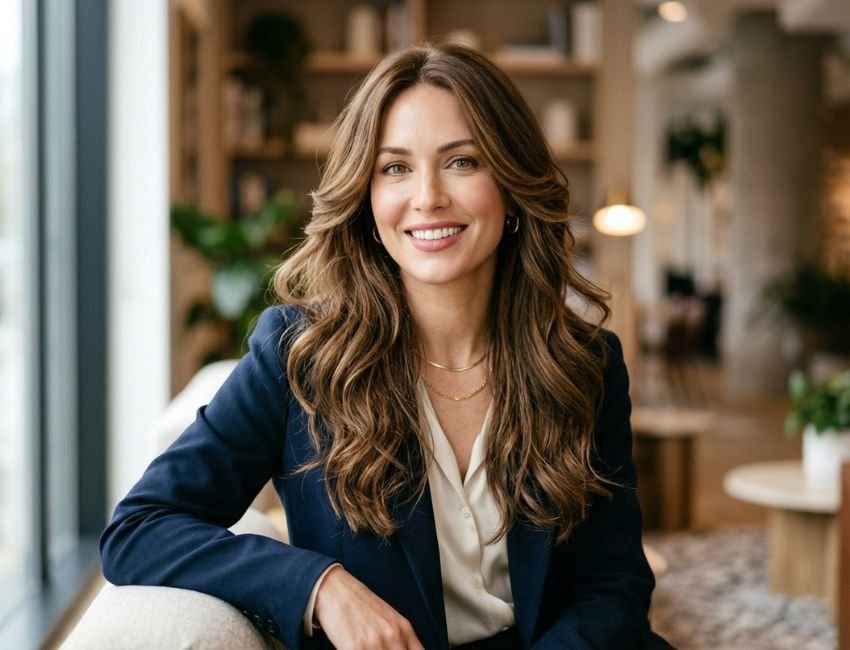
One of the biggest advantages of face framing layers for long hair is their versatility. Whether you’re heading to work, attending a special event, or running errands, these layers can be styled in minutes.
Create Soft Waves
Loose waves highlight the shape of face-framing layers and add natural movement. Use a large-barrel curling iron or a heatless curling method for a soft, effortless finish.
Blow-Dry Away from the Face
Using a round brush while blow-drying helps the front layers curve away from the face, creating a salon-quality look with added volume.
Straight and Sleek
If you prefer smooth hairstyles, straighten your hair while slightly curving the front pieces inward or outward to emphasize the layers without making them appear flat.
Half-Up Hairstyles
Half-up styles allow the shorter front layers to frame your face while keeping the rest of your hair secure. This look works well for both casual and formal occasions.
Ponytails and Buns
Even a simple ponytail looks more stylish when soft face-framing pieces are left loose around the face. They add dimension and create a relaxed, elegant appearance.
Best Hair Products for Layered Long Hair
The right products help maintain healthy-looking layers and make styling easier.
| Product | Benefits |
| Lightweight Volumizing Mousse | Adds body without weighing hair down. |
| Heat Protectant Spray | Shields hair from heat damage before styling. |
| Lightweight Hair Oil | Reduces frizz while adding shine to the ends. |
| Texturizing Spray | Enhances movement and definition in layers. |
| Flexible Hold Hairspray | Keeps the style in place while maintaining natural movement. |
Choose products that match your hair type to avoid buildup or excess weight.
Common Mistakes to Avoid
Even a beautiful haircut can lose its shape if it’s not cut or styled correctly.
Avoid these common mistakes:
- Cutting layers too short for your face shape.
- Removing too much weight from fine hair.
- Skipping regular trims.
- Using heavy styling products that flatten the layers.
- Applying excessive heat without a protectant.
- Choosing a haircut based only on trends instead of your hair texture.
- Neglecting daily conditioning, especially on long hair.
Preventing these mistakes helps your haircut stay fresh and easier to manage.
How to Maintain Face Framing Layers
Proper maintenance keeps your haircut looking polished between salon visits.
Schedule Regular Trims
Trim your layers every 8–10 weeks to maintain their shape and prevent split ends from traveling up the hair shaft.
Deep Condition Weekly
Long hair benefits from regular moisture. A weekly deep-conditioning treatment keeps the ends smooth and reduces breakage.
Protect Hair from Heat
Always apply a heat protectant before blow-drying, curling, or straightening your hair. This helps preserve both the health of your hair and the definition of your layers.
Brush Gently
Use a wide-tooth comb or a soft-bristle brush to detangle hair without pulling or damaging the shorter front pieces.
Sleep Smart
A silk or satin pillowcase reduces friction while you sleep, helping to minimize frizz and keep your hairstyle looking smoother.
Expert Tips for the Best Results
Professional hairstylists often recommend a few simple techniques to make face-framing layers look their best.
- Ask for layers that blend seamlessly into the rest of your hair.
- Bring reference photos, but allow your stylist to customize the cut for your face shape and hair texture.
- Start with subtle layers if you’re trying the style for the first time.
- Pair the haircut with healthy hair care habits for maximum shine and movement.
- Refresh your style with a trim before the layers lose their shape.
Small adjustments can make a noticeable difference in the final result.
Face Framing Layers vs. Traditional Long Layers
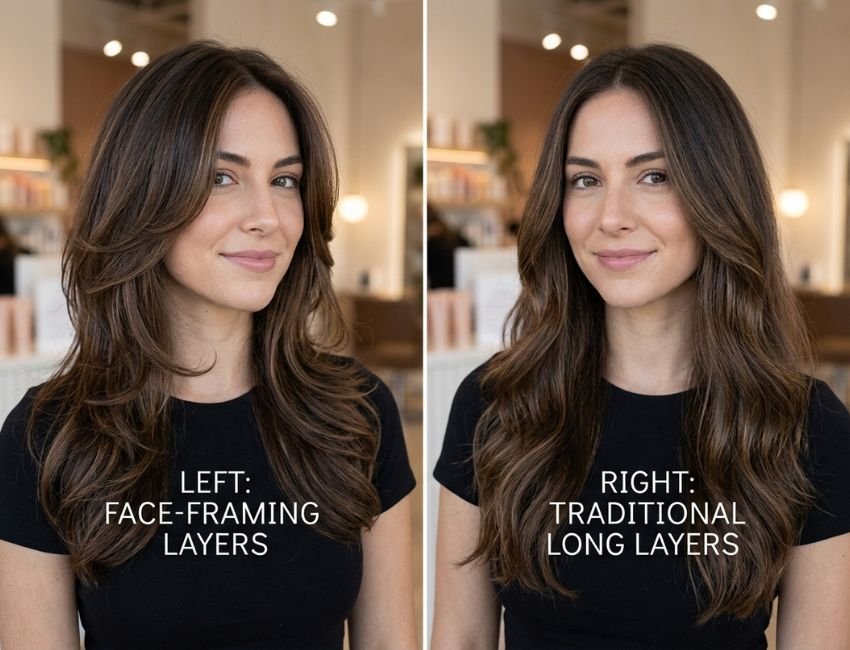
| Feature | Face Framing Layers | Traditional Long Layers |
| Main Focus | Frames facial features | Adds movement throughout the hair |
| Hair Length | Keeps most of the length | Layers are distributed from top to bottom |
| Maintenance | Moderate | Moderate to High |
| Best For | Highlighting the face | Creating overall volume and texture |
| Styling | Easy and versatile | Offers more styling variation but may require extra effort |
If your goal is to refresh your appearance without changing your overall hairstyle dramatically, face-framing layers are often the better choice.
Are Face Framing Layers Worth It?
For many women, the answer is yes.
This haircut enhances natural beauty without requiring a dramatic transformation. It works with almost every hair texture, complements a wide range of face shapes, and offers countless styling possibilities.
Whether you wear your hair straight, curled, or tied back, the soft layers around your face add movement, dimension, and elegance while preserving the length you love.
Frequently Asked Questions
1. Do face framing layers suit all face shapes?
Yes, they can be customized to flatter every face shape.
2. Are face framing layers good for thin hair?
Yes, soft layers can create the appearance of fuller, more voluminous hair.
3. How often should face framing layers be trimmed?
Most people benefit from a trim every 8–10 weeks.
4. Can I get face framing layers without bangs?
Yes, they look beautiful with or without bangs.
5. Are face framing layers easy to style?
Yes, they are simple to style and work well with straight, wavy, or curly hair.
Conclusion
Face framing layers for long hair are a timeless choice for anyone who wants to refresh their hairstyle while keeping their length. By adding softness, movement, and shape around the face, these layers enhance your natural features and suit a variety of hair types and face shapes. With the right cut, proper maintenance, and simple styling techniques, you can enjoy a flattering, versatile look that remains stylish for years to come.